The 14th Five Year Plan has incorporated addressing aging into the national strategy, with 260 million elderly people facing the need for elderly care. Despite the annual increase in elderly care beds, the vacancy rate of elderly care institutions remains high. Low occupancy rate has always been an urgent problem that elderly care institutions need to solve, and many people attribute it to hard conditions such as poor site selection and unsatisfactory environmental layout. However, objective factors such as insufficient professionalism, low efficiency, and unreasonable personnel allocation cannot be ignored. 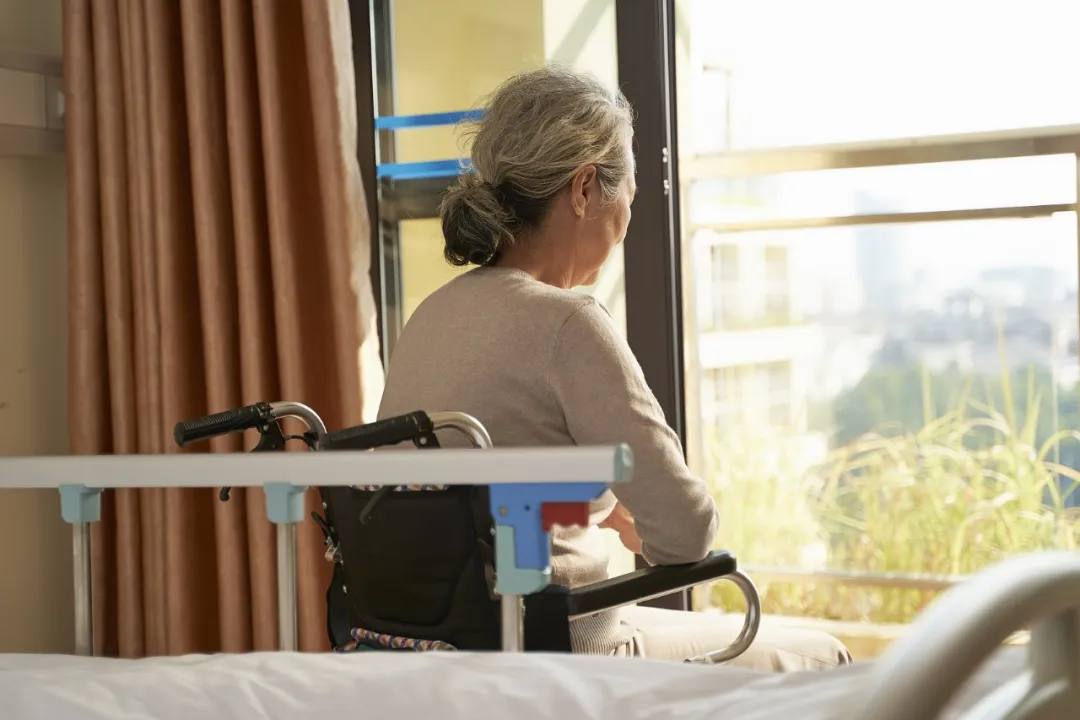
Based on the national standard of a 1:4 ratio of elderly care workers to the elderly, the demand for elderly care workers needs to be at least 10 million. However, currently there are less than 500000 service personnel and less than 20000 certified personnel in various elderly care service institutions, resulting in a huge demand gap for elderly care service talents nationwide. Moreover, the turnover rate of nursing staff is very high, and there are very few caregivers who can work in the same nursing home for more than two years.
For the operation of elderly care institutions, the shortage of caregivers has brought many challenges. On the one hand, institutions may face reputational damage due to inadequate service quality, which can affect occupancy rates and revenue; On the other hand, in order to make up for the shortage of caregivers, institutions may need to increase labor costs by recruiting temporary or part-time caregivers, which in turn increases management difficulties and operational costs.
The introduction of intelligent solutions breaks through the dilemma of elderly care
Intelligent solutions are gradually being introduced into elderly care institutions and playing an important role in addressing the shortage of caregivers. The emergence of intelligent nursing devices has greatly reduced the workload of caregivers. A nursing home in Shanghai has 168 elderly residents and only 48 nursing staff. One nursing staff member needs to take care of three or four elderly people at the same time. The application of intelligent means enables limited manpower to exert greater efficiency. For example, in the bathroom, which is a high-risk area for the elderly, a fall alarm using biological radar sensing technology can monitor whether the elderly's stay time is normal, detect and deal with the risk of falling in a timely manner.
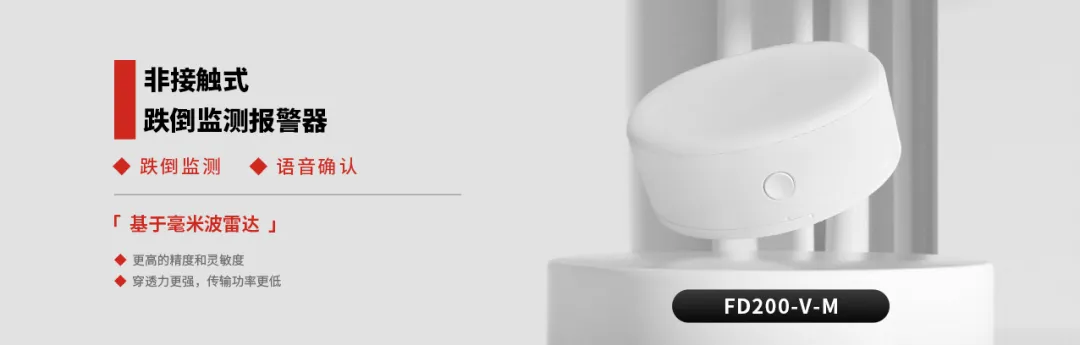
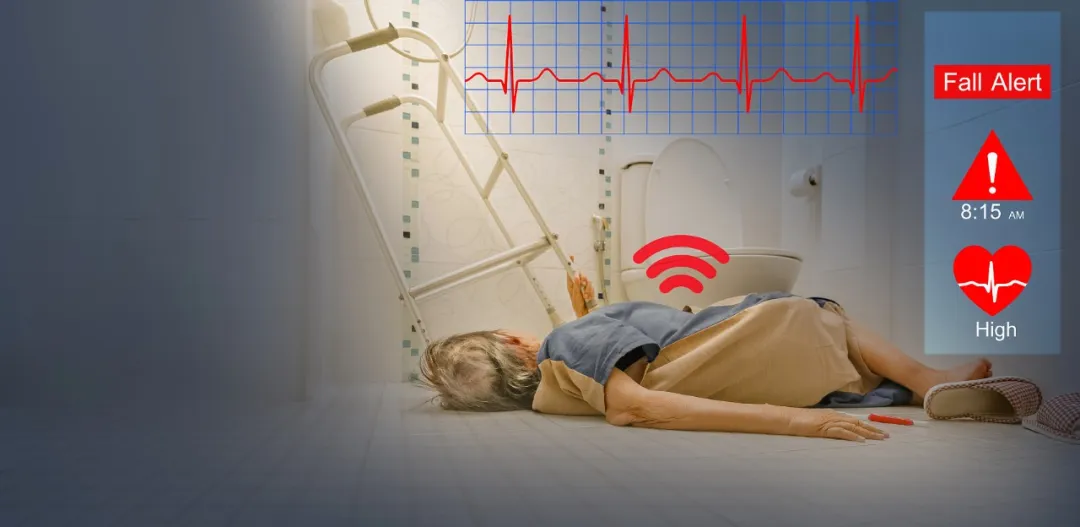
"When an elderly person suddenly falls in the bathroom, I will receive a fall alarm message on my mobile phone. If the elderly person does not come out for a long time, there will also be a delayed alarm. This way, our nursing staff can timely pay attention to the elderly person's health condition and respond, "said the head of the nursing department of a Shanghai institution.
In addition, non-contact health monitoring systems have brought great convenience to elderly care services. Intelligent physical sign monitoring device, built-in ultra wideband biological radar sensing module, collects real-time heart rate, respiratory rate, etc. of the elderly in a non-contact manner, and can monitor sleep and analyze the sleep quality of the elderly. By transmitting this data to the backend, medical staff can remotely monitor the health status of the elderly. Once an abnormality occurs, the system will promptly issue an alarm to facilitate timely rescue measures. 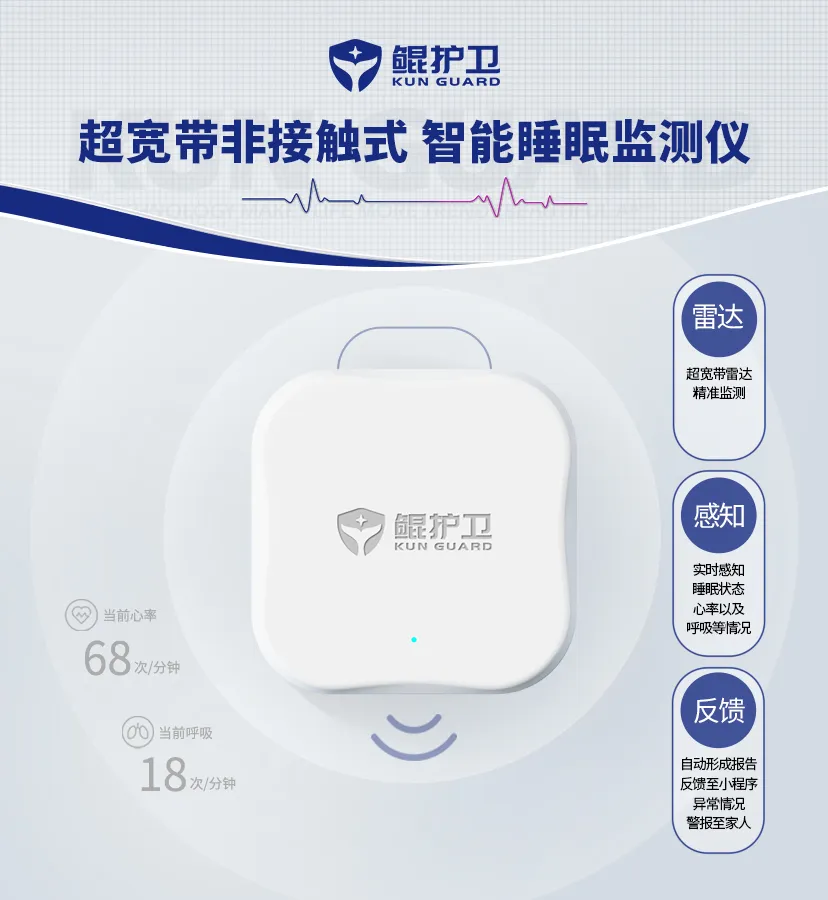
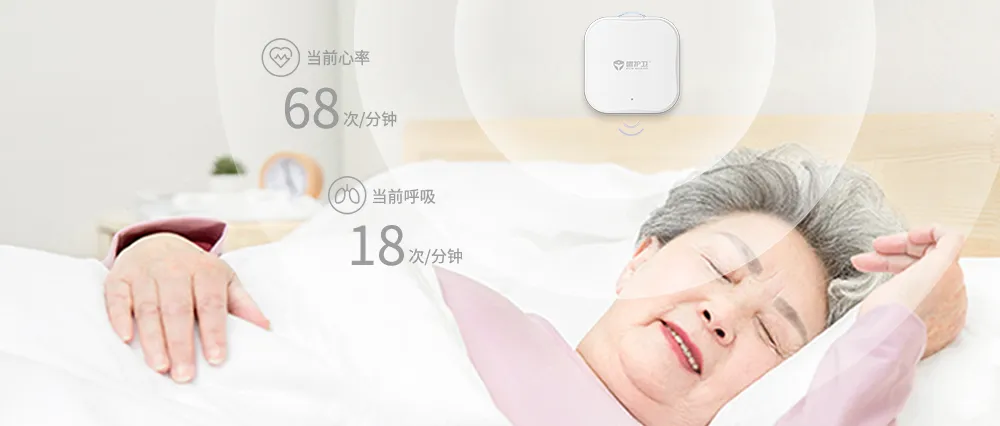
The application of these intelligent devices and systems not only reduces the work pressure of caregivers, but also improves the quality and efficiency of elderly care services, creating favorable conditions for increasing the occupancy rate of elderly care institutions. Nursing staff and elderly people have highly praised smart elderly care.The elderly find these smart devices very practical, especially for the elderly and frail. The devices can detect abnormal situations in a timely manner and handle them, making them feel very at ease. For nursing staff, this reduces their workload and improves work efficiency and service quality, enabling them to have a deeper understanding of the needs of the elderly and better serve them.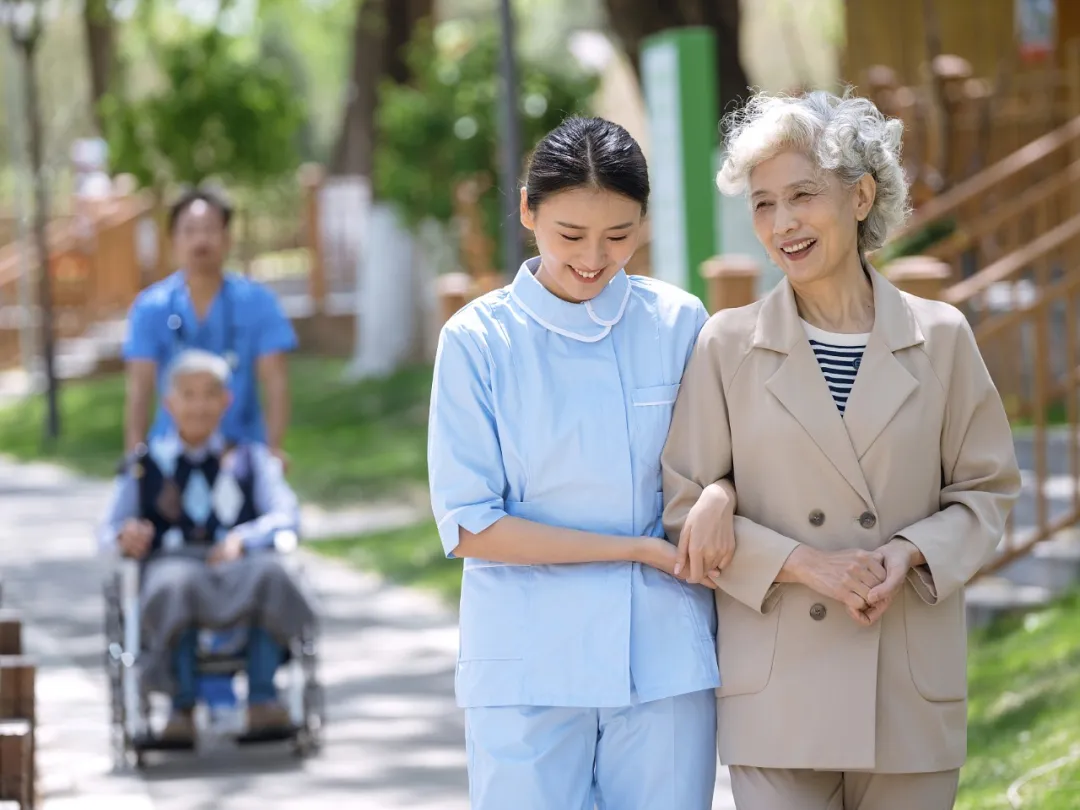
According to the "Report on the Development of China's Aging Industry" released by the China Aging Science Research Center, with the rapid development of population aging, major demands for China's aging industry will continue to emerge in the medium and long term, and the aging industry contains enormous consumer market potential. Smart nursing homes will undoubtedly become an important development trend for future elderly care services. Intelligent management and services can create a better, more comfortable, and reassuring life for the elderly, while also providing more efficient and scientific means for the management and service of elderly care institutions. 


