
Connecting with Shigatse: Bringing High-Tech to Tibet for "Real-World Missions" — Founder of Zennze Technology and a Professor from Central South University Donates Life Detection Radars
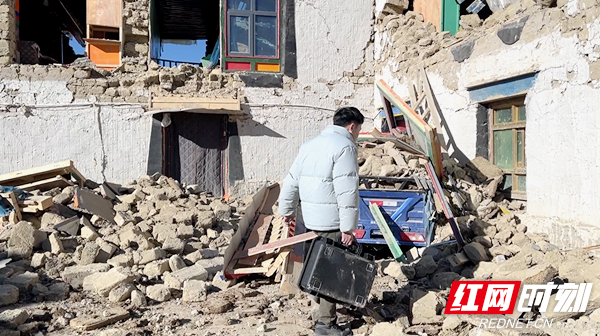
The life detection radar can receive echo signals from human targets—such as limb movements, breathing, and heartbeats—within 5 to 30 meters beneath ruins.
Rednet Moment News (January 9th, Reporter: Tan Suxin)
"Early in the morning, we met the rescue team from the Dingri County Border Control Brigade in Dasuo Township, the hardest-hit area—they were the first to reach the disaster site," Liang said. Noting that the soldiers were working tirelessly but with relatively primitive equipment, he and his team decided to donate the three radar life detectors they had brought, free of charge, after the search and rescue mission reached a phased conclusion.
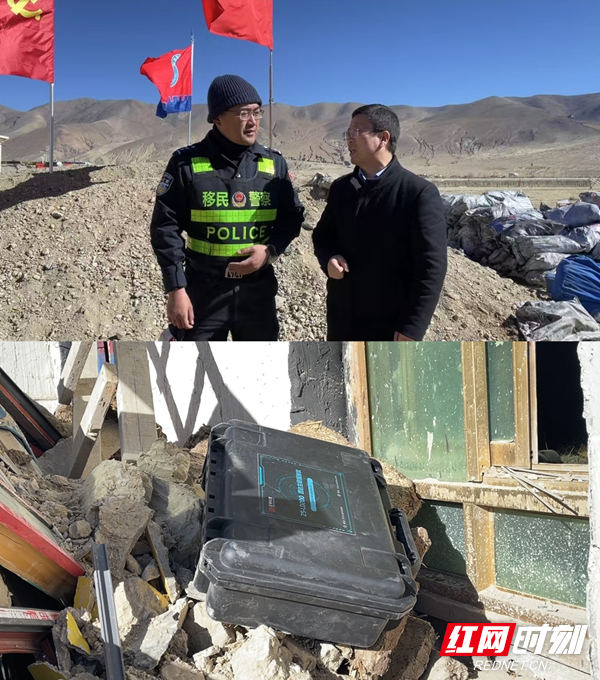
This afternoon, Liang Buge donated three self-developed third-generation enhanced-detection radar life detectors.
"Where there is hardship, there our scientific achievements will be," Liang said, his voice competing with background noise and intermittent signal. "Life safety is guarded by technology. The front lines need more technological support, and we will always be ready." He emphasized that his team will continue refining radar life detection equipment to serve real-world rescue missions.
